
Safety
Reduced toxic load and lower risks during handling.
The reagent is used in heap leaching, tank leaching and selected CIL/CIP circuits. Dosage is selected for the specific ore, pH, processing route and site conditions.
We work with enterprises across Kazakhstan
NaCN
Reduced toxic load and lower risks during handling.
Fewer complications in storage, transport and internal control.
A potentially simpler approach to handling solutions and tailings.
Potential reduction of related costs for safety, disposal and process support.
Product
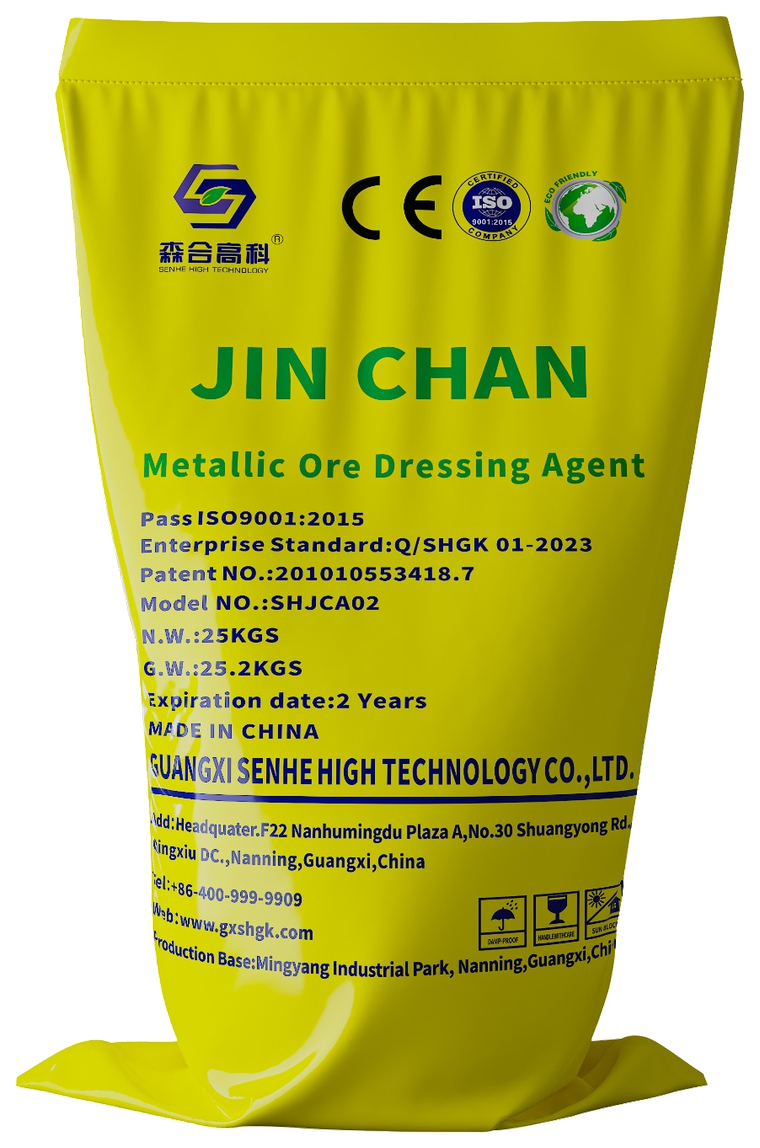
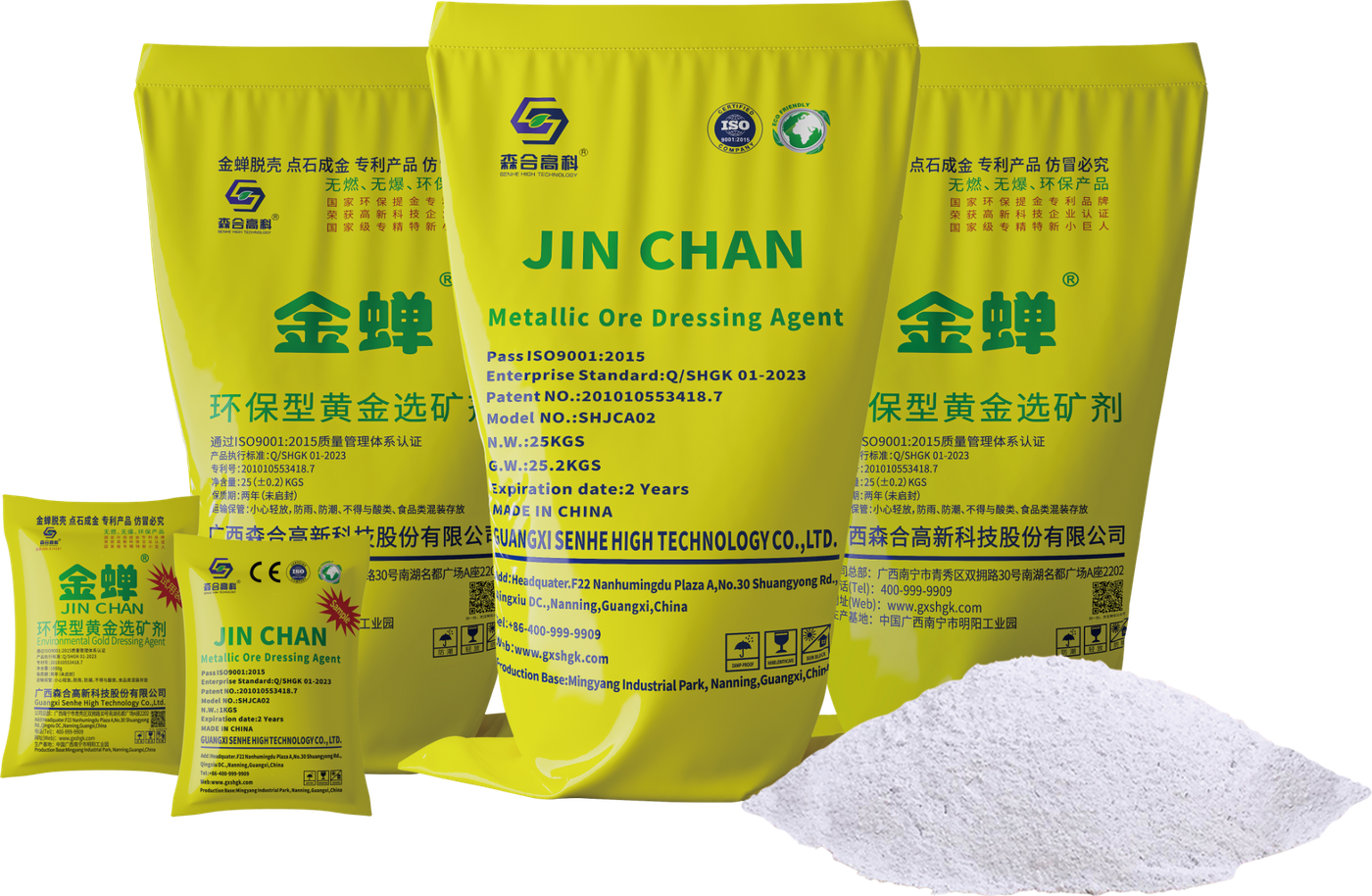
JinChan (Golden Cicada) is a reagent for gold recovery, used as an alternative to sodium cyanide without changing the basic process scheme.
Helps reduce storage and handling risks compared with conventional NaCN-based schemes.
May be considered for operating leaching circuits, but the mode must be confirmed by tests.
Leave your contact details and initial data. We will assess JinChan applicability for your ore, process scheme and site requirements.
We will reply within 1 business day
Facts
No free sodium cyanide in the reagent composition.
Assessed through testing on the specific ore.
Applied within the standard logic of gold leaching.
Easier to handle compared with NaCN.
The operating mode is selected based on pH, ore and process conditions.
No free sodium cyanide — reduces risks for effluents, tailings and personnel compared with classic NaCN-based circuits.
Application
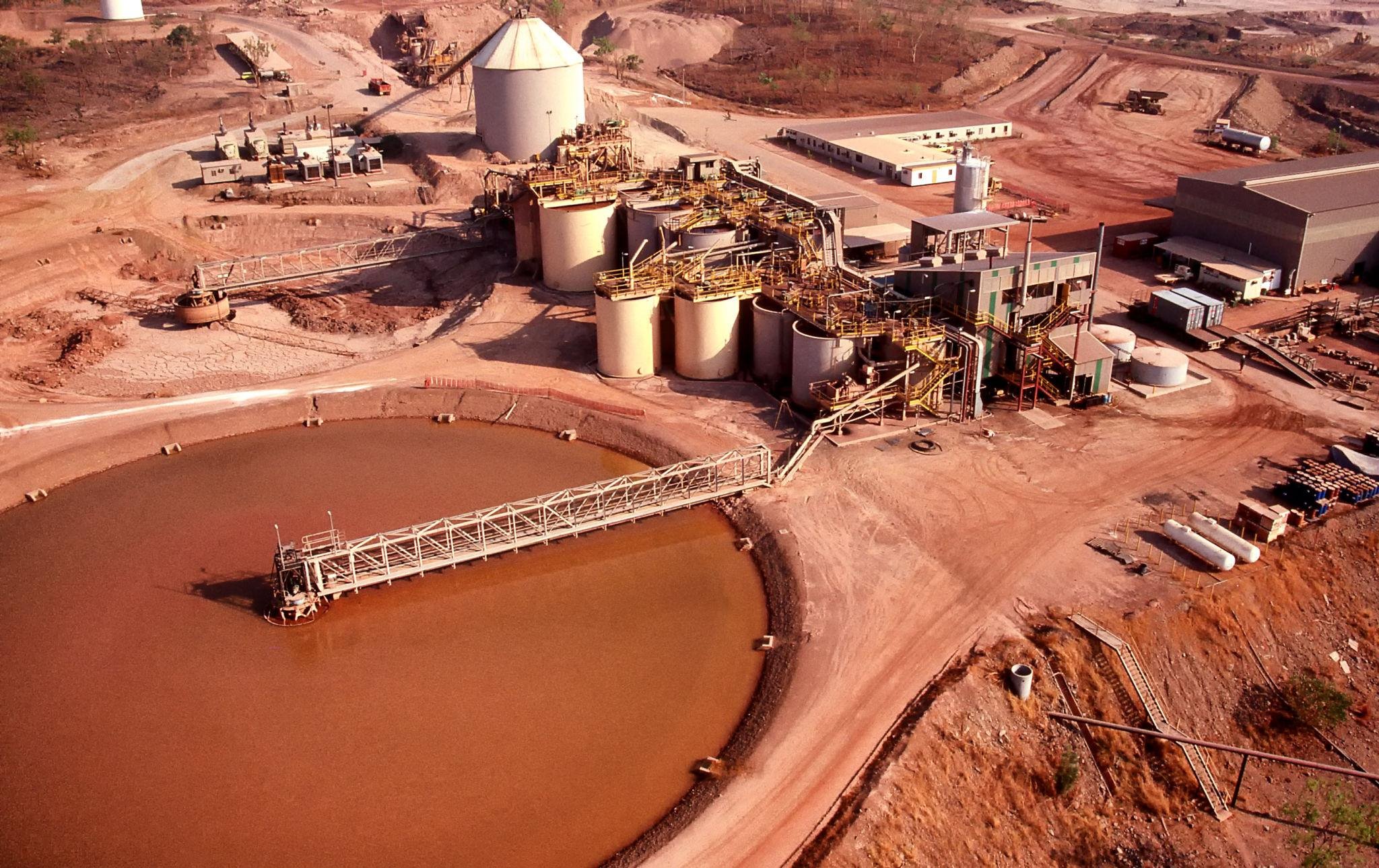
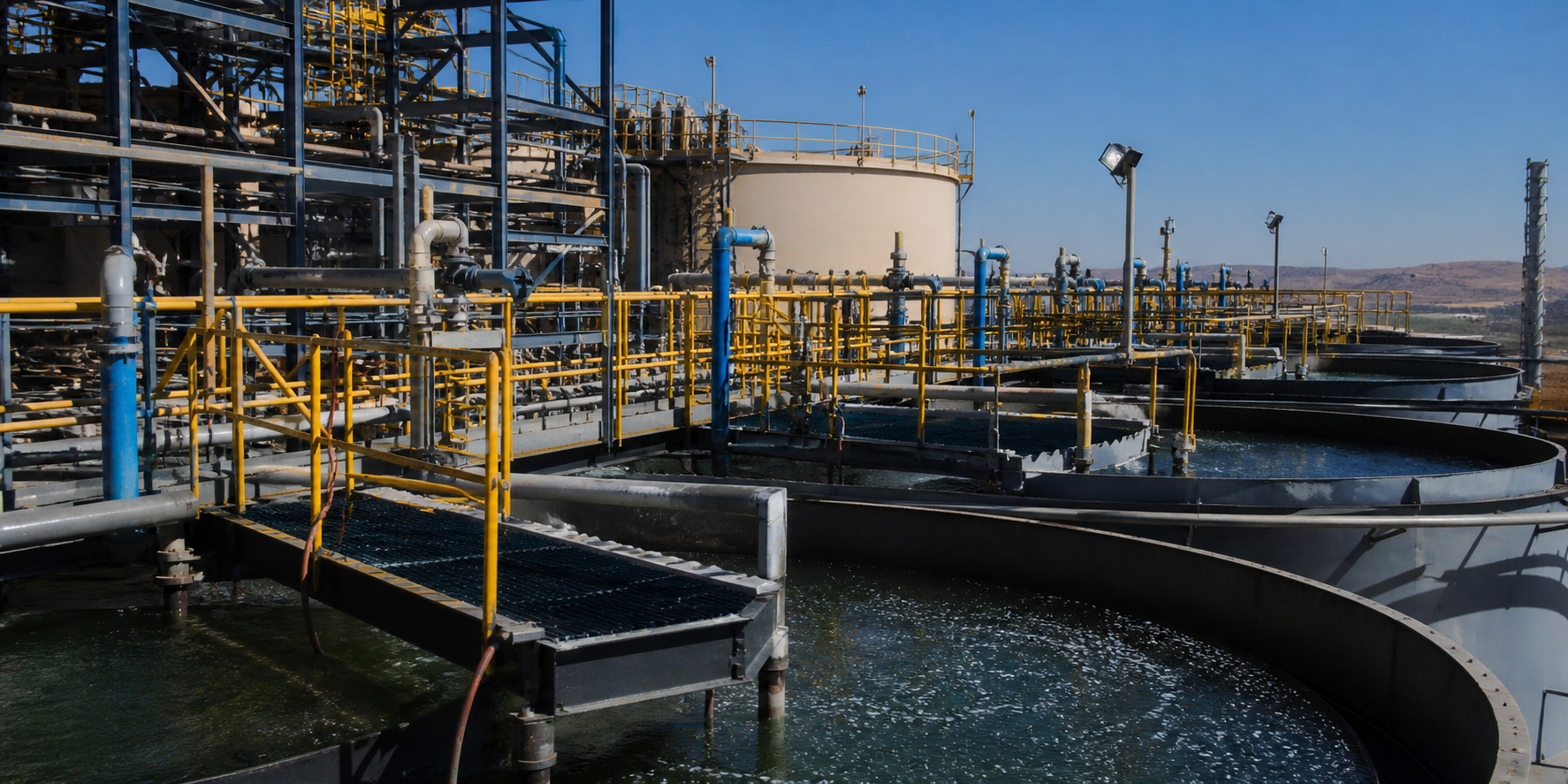
Heap leach for ores with suitable permeability.
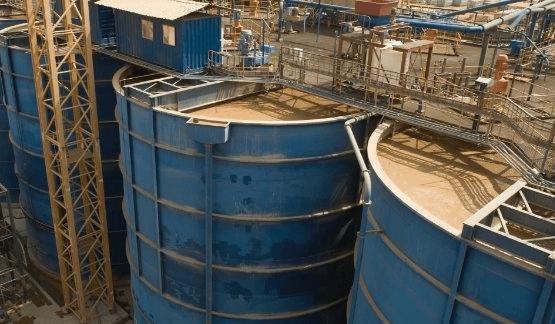
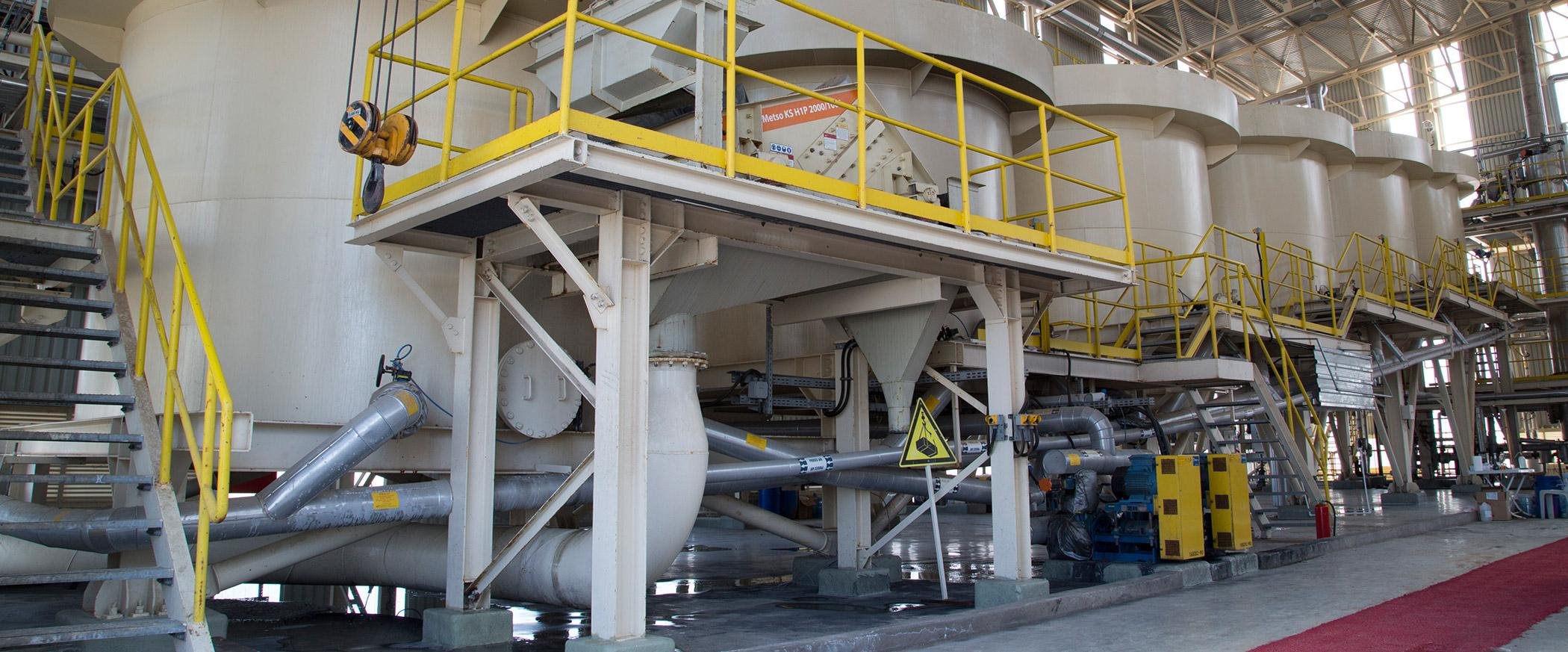
Tank leaching with controlled contact between solution and ore.
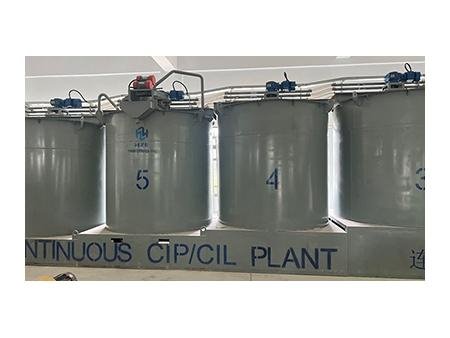
Circuits with subsequent gold adsorption on activated carbon.
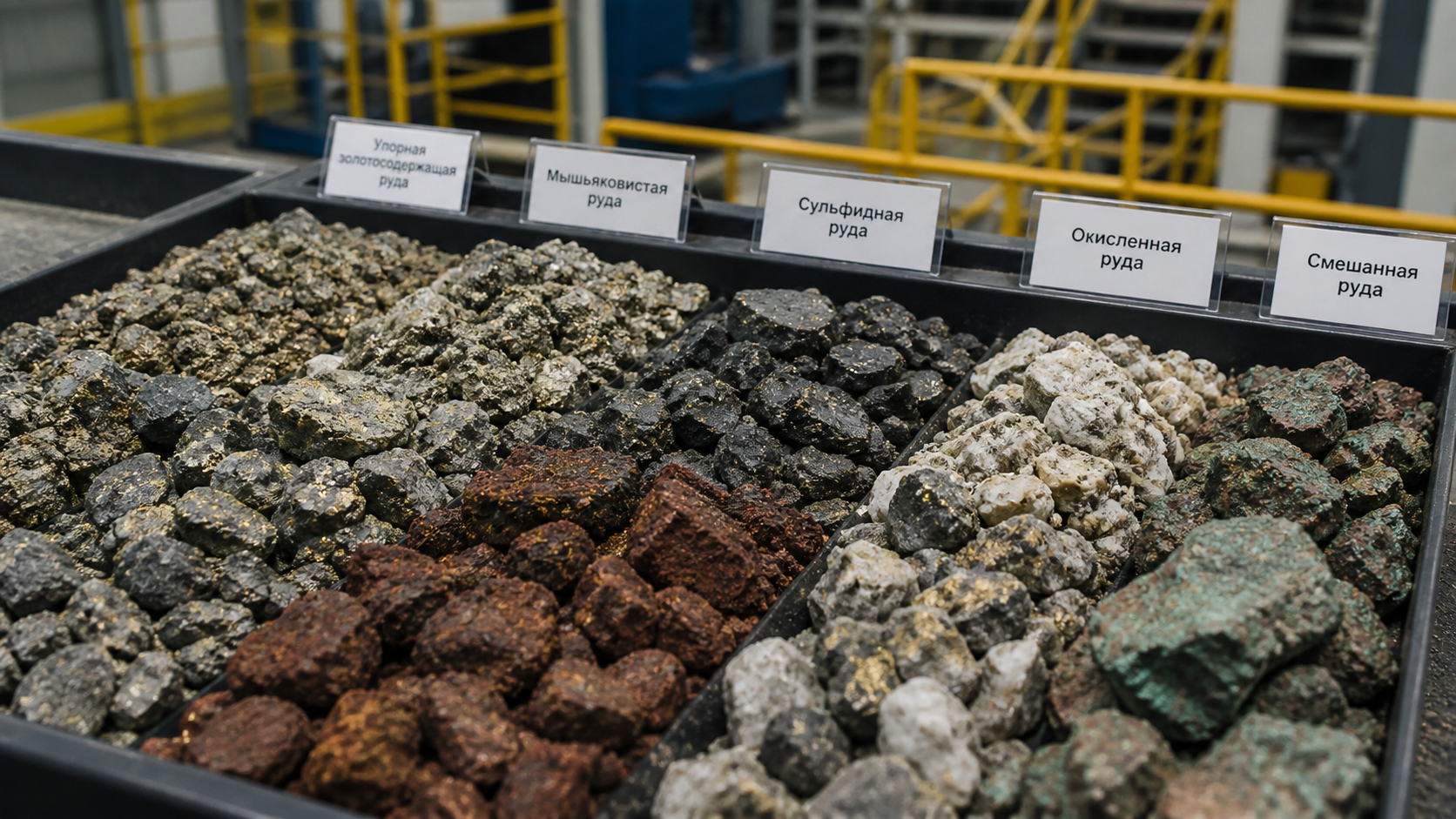
After technological assessment and operating mode selection.
Actual performance depends on ore mineralogy, grinding mode, pH, temperature, contact time and the processing route.
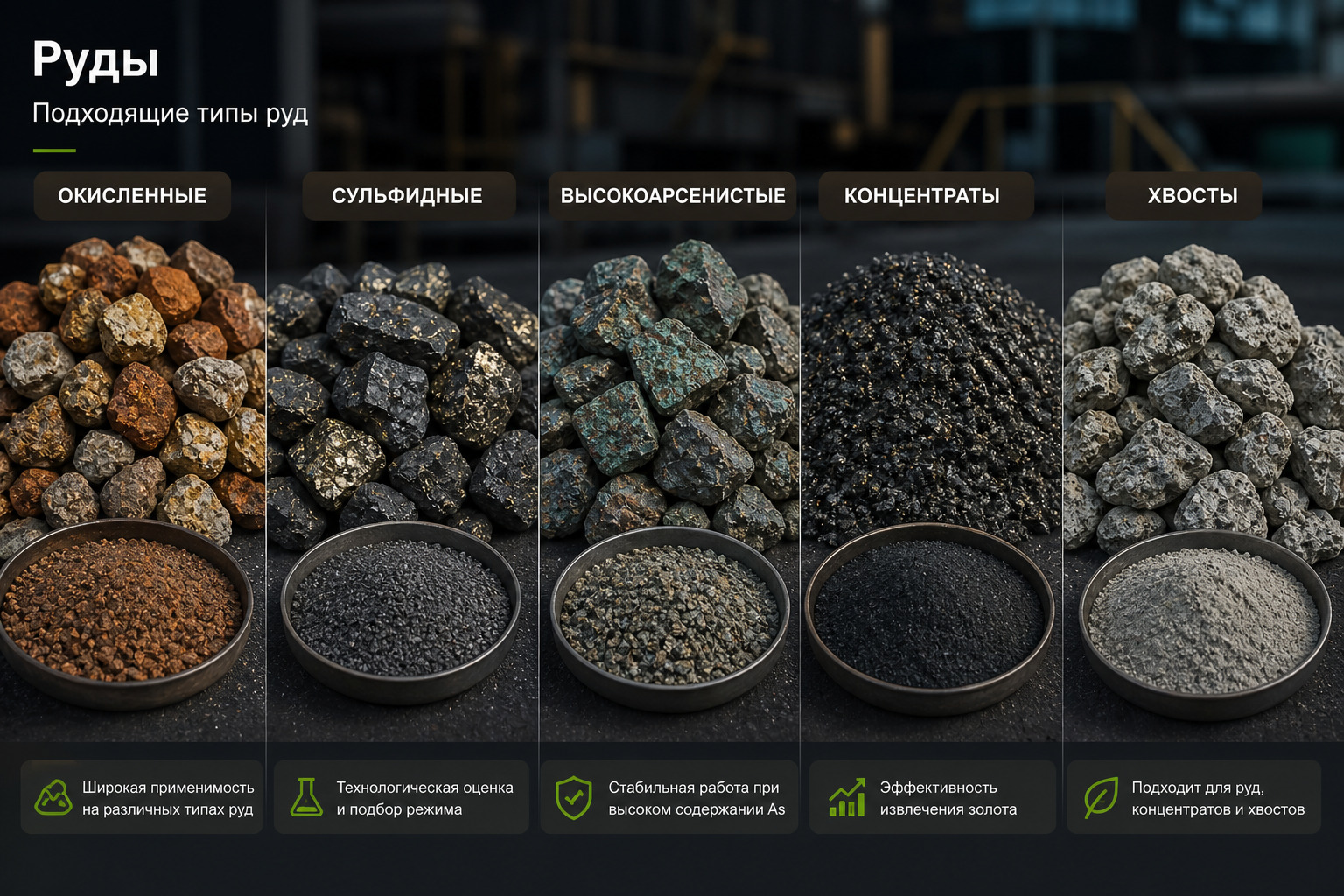
Ores
Process
Ore preparation for the selected leaching route.
JinChan solution contacts the prepared material.
Gold is recovered from solution using activated carbon.
Concentrated gold is obtained from the loaded solution.
The final stage of obtaining the metal product.
Parameters
Operation in an alkaline environment.
The operating mode is clarified based on site conditions.
Comparable to NaCN as a starting point, but confirmed by testing.
Complete dissolution in water before feeding into the process.
Calculation
Oxide, sulfide, mixed ore, arsenic, carbon, copper and other influencing factors.
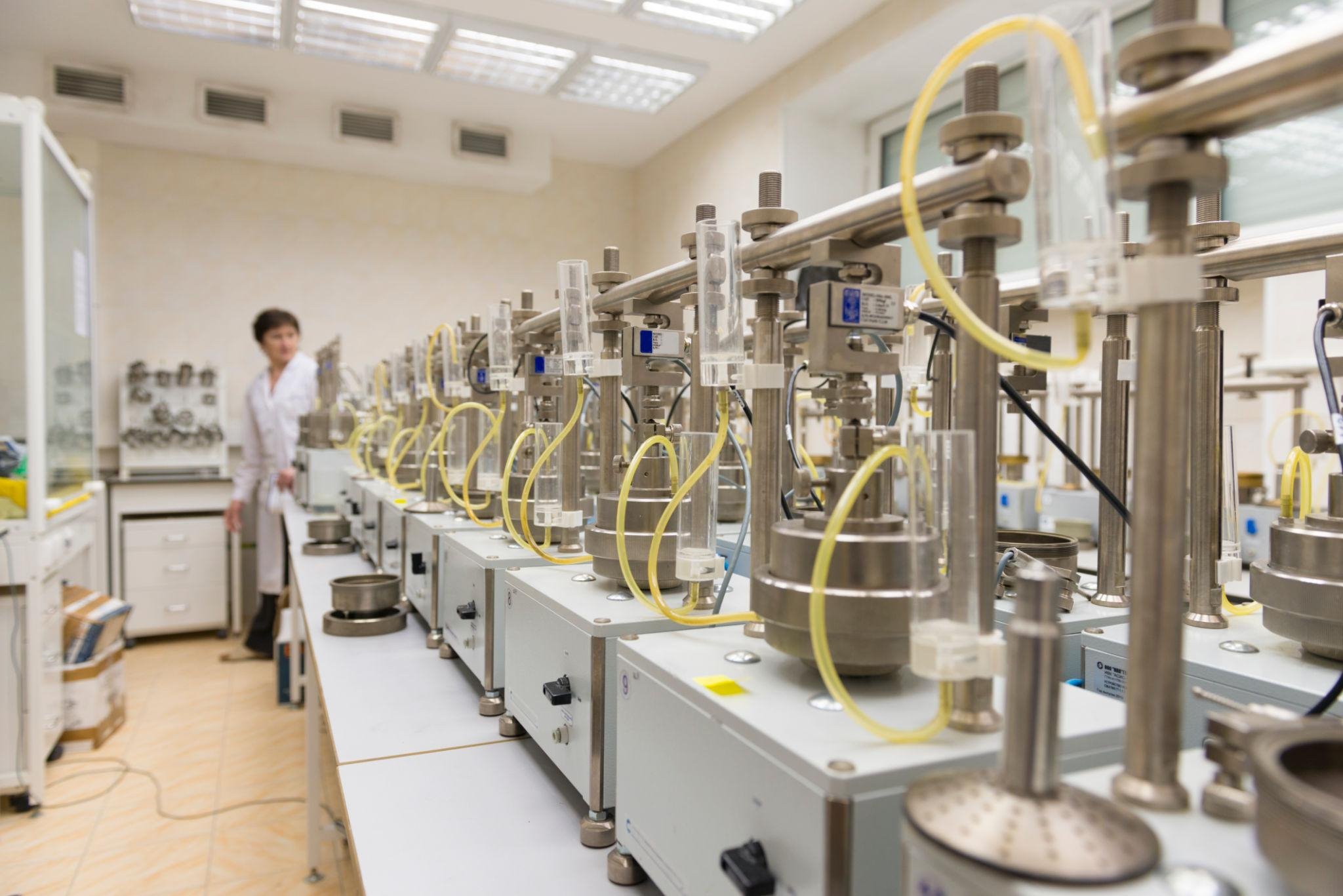
Heap leach, tank leaching, CIL, CIP or laboratory testing.
pH, temperature, particle size, pulp density and leaching time.
Gold recovery, risk reduction, NaCN replacement or testing of a new process route.
JinChan consumption cannot be correctly defined by ore mass alone. The result is affected by mineralogy, particle size, pH, temperature, gold solubility, impurities and the processing route. The correct approach is calculation and testing on specific material.
Stability
Trust
Technical comparison
The comparison should consider not only reagent price per tonne, but the total cost of application: storage, safety, personnel, transport, disposal and environmental support.
| Parameter | JinChan | NaCN |
|---|---|---|
| Handling safety | Lower toxic load when the application mode is maintained. | High toxicity and strict handling requirements. |
| Storage and logistics | Easier to organize storage and transport. | Requires special control, access and storage measures. |
| Personnel | Lower level of direct risk, but pH and solution control remain mandatory. | High requirements for training, permits and emergency procedures. |
| Environment and tailings | May simplify the approach to handling solutions and tailings. | Requires strict control of effluents, detoxification and safety. |
| Application economics | The effect is assessed through reagent, storage, safety and disposal costs. | Related costs depend on requirements for storage, personnel and detoxification. |
NaCN and sodium cyanide
In gold mining, NaCN is also referred to as sodium cyanide. JinChan (Golden Cicada) is considered as an alternative to conventional cyanide leaching — an eco-friendly alternative to sodium cyanide for gold mining without free NaCN. Green substitute for cyanide, safe reagent for gold extraction, environmentally responsible gold leaching — these describe the core advantage of JinChan: lower toxic load while maintaining the existing process route. Considered only after assessment of ore, pH, mineralogy, reagent consumption and results of laboratory or pilot testing.
Economics
The reagent price may differ, but final economics depends on more than price per kg.
Reduced costs for safety, storage, control and handling of hazardous substances.
Potential reduction of solution and tailings treatment costs depending on the route and ore.
The final result is calculated individually for each enterprise and process scheme.
Transition
Determining ore type, impurities and the current process route.
Mode selection: pH, dosage and leaching time.
Verification on a real process line.
Industrial implementation with operating mode correction.
Operation
A comparison based not on advertising, but on factors that actually affect production, safety and implementation.
| Parameter | JinChan | NaCN | What matters for the enterprise |
|---|---|---|---|
| Purpose | Gold leaching reagent for heap leach, tank leaching and CIL/CIP circuits | Conventional cyanide reagent for gold recovery | Both technologies require process control and operating mode selection |
| Toxicity and handling | Lower toxic load; not conventional NaCN | Highly toxic substance requiring strict safety measures | Lower burden on storage, personnel and safety systems |
| Logistics and storage | Easier storage and transport compared with NaCN | Strict requirements for transport, storage and control | Fewer organizational risks and delays |
| Equipment | Can be applied in existing leaching circuits | Used in standard cyanide circuits | The transition usually does not mean full plant reconstruction |
| Process control | Requires control of pH, dosage, contact time and ore conditions | Also requires control of pH, concentration and leaching parameters | Dosage cannot be assigned correctly without laboratory tests |
| Gold recovery | May provide comparable recovery when the mode is correctly selected | High efficiency in established cyanide circuits | The result depends on mineralogy, particle size, pH, time and impurities |
| Ores with complicating factors | Preliminary assessment is required for sulfides, carbonaceous ores, copper and complex mineralogy | Also sensitive to ore composition and impurities | A test is required, not a universal dosage |
| Economics | Economics is shaped not only by reagent price, but also by reduced related costs | Reagent price is only part of the cost; safety, storage and disposal expenses remain | The total cost of application must be calculated for the site |
JinChan should not be treated as a simple “kilogram-for-kilogram” replacement. The correct approach is to compare the complete technological and economic scheme: recovery, safety, storage, logistics, treatment and process support.
Calculate NaCN replacementData
Oxide, sulfide, mixed or carbonaceous ore.
Au g/t and data on other valuable components.
Pyrite, arsenopyrite, copper, carbon, clays and other factors.
Heap leach, tank leaching, CIL/CIP or another process route.
Fraction, grinding degree and material preparation.
If NaCN is used — actual consumption and recovery results.
Limitations
Require verification of sulfur influence and the mode of preliminary preparation.
Gold losses on natural carbon in the ore must be assessed.
Copper may affect reagent consumption and process stability.
Requires laboratory mode selection and recovery verification.
In these cases, preliminary technological assessment and testing are required.
Send the parameters — we will indicate whether the transition makes sense and what data are required for testing.
Engineer response within 1 business day
Questions
In most cases, JinChan is considered for existing leaching circuits. However, the application mode must be selected for the specific process.
Comparable recovery may be possible under correctly selected conditions, but the result is confirmed only by testing on the specific ore.
JinChan is not NaCN and is used as a less toxic alternative. However, pH, storage, dosage and solution handling must still be controlled.
No. A preliminary technological assessment is required. The correct path is: ore analysis → laboratory test → mode correction → industrial implementation.
Fill in the form to get instant access to the application instructions and Safety Data Sheet (SDS).
Send the parameters — we will indicate whether the transition makes sense and what data are required for testing.
Engineer response within 1 business day